
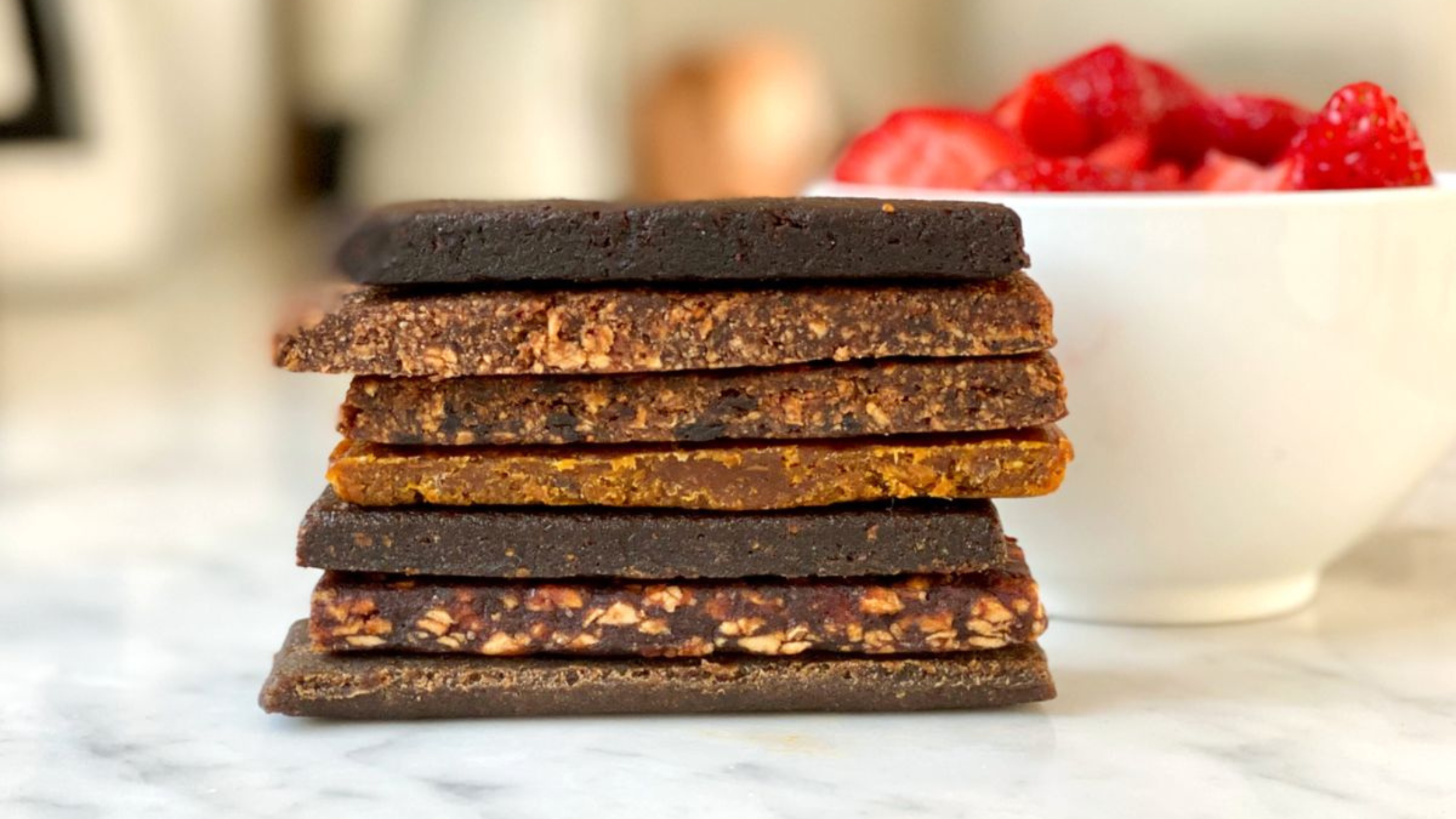
Protein bars have established themselves as essential allies in supporting training, controlling nutritional intake and facilitating a balanced daily diet. Here we offer an in-depth analysis to help you choose the ideal bar according to objective, composition, texture and physiological needs.
Understanding protein bars: definition, roles and benefits
Protein bars are snacks formulated to provide a concentrated source of protein, often enriched with fiber, vitamins or essential amino acids.
They offer :
- Muscle support when building muscle mass or maintaining lean mass.
- Accelerated post-workout recovery thanks to rapidly absorbed proteins.
- Calorie control for weight loss or stabilization.
- A practical solution for active people on the move.
Identify key indicators: proteins, sugars, fats and fiber
- Protein content
A high-performance bar should offer between 15 and 25 g of protein per portion. The most effective sources are :
- Whey isolate and concentrate: rapid absorption, ideal post-workout.
- Casein: slow digestion, perfect as a long-lasting snack.
- Vegetable proteins: peas, rice, hemp for a vegan alternative.
- Carbohydrate quality
The aim is to limit added sugars and give priority to complex carbohydrates:
- Sugars < 5 g per bar for a controlled snack.
- Low glycemic index to avoid insulin spikes.
- Fats
Quality fats improve satiety:
- Choose oilseeds, nuts and seeds.
- Avoid excess hydrogenated or saturated fats.
- Dietary fiber
3 to 8 g of fiber improves digestion and satiety.
What type of protein bar should I choose?
Protein bar for muscle gain
Objectives: rebuild muscle fibers, stimulate protein synthesis.
- >20 g protein per bar
- Whey or multi-source blends
- Low sugar content
- Useful additions: BCAA, creatine, EAA
Protein bar for weight loss
Goals: hunger control, calorie restriction.
- Protein 15-20 g
- High fiber (≥6 g)
- Calories ≤200 kcal
- Structure rich in fiber and protein to maximize satiety.
Protein bar for endurance sports
Goals: constant energy, stable recovery.
- Moderate but high-quality carbohydrates
- Electrolytes to compensate for loss through perspiration
- Fast protein (10-15 g)
Protein bar for vegetarians and vegans
- Pea + rice blends for a complete amino acid profile
- Lactose-free, collagen-free
- Natural, minimally processed ingredients
Composition analysis: understanding labels and formulations
Additives and sweeteners
Polyols (maltitol, erythritol) can cause digestive discomfort in some people. It is recommended to opt for :
- Natural sweeteners: stevia, monk fruit
- Short recipes and easy-to-read ingredients
Textures: crunchy, melt-in-the-mouth, nougaty
Texture influences digestion, satiety and sensory pleasure:
- Crunchy: more satiating
- Nougaty: quicker to digest
- Chocolate-coated: attention to sugar content
When should you eat a protein bar?
Before training
Objective: energy and glycemic stability.
=> Choose a high-protein, low-sugar bar 60-90 min before exercise.
During
Objective: maintain energy reserves (endurance sports).
=> Choose bars with a moderate carbohydrate content.
After training
Objective: muscle recovery.
=> Favour fast-absorbing proteins (whey).
As a daily snack
Objective: control hunger and calorie intake.
=> Choose a low-calorie, high-fiber bar.
Buying guide: essential criteria for choosing the best bar
- Clearly defined sporting objective
- Easily assimilated protein source
- Clean composition, no added sugars
- Caloric value consistent with program
- Good protein/calorie ratio
- Texture and taste adapted to preferences
Top mistakes to avoid when choosing a protein bar
- Choosing a bar with too much sugar (>10 g), which looks more like a candy bar.
- Focus on protein quantity without checking quality.
- Eat a meal replacement bar too frequently.
- Ignore fiber, essential for satiety.
- Be guided solely by taste or packaging.
Conclusion: how to find the ideal protein bar?
The perfect protein bar is one whose composition and nutritional value correspond precisely to the desired objective. A formulation rich in quality proteins, low in sugars and adapted to energy expenditure offers an effective, healthy and efficient snack. By carefully analyzing labels and understanding the body’s needs, it becomes possible to make an informed choice that is genuinely beneficial to sporting progress and nutritional management.